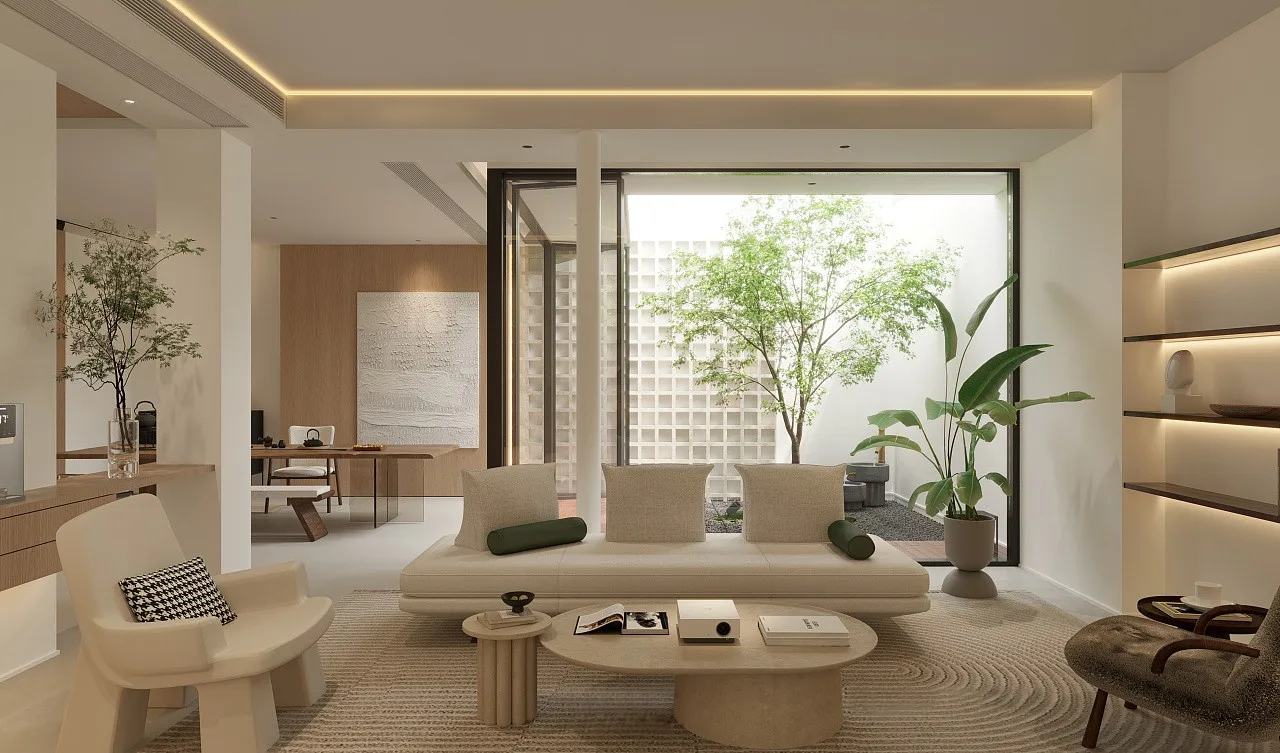
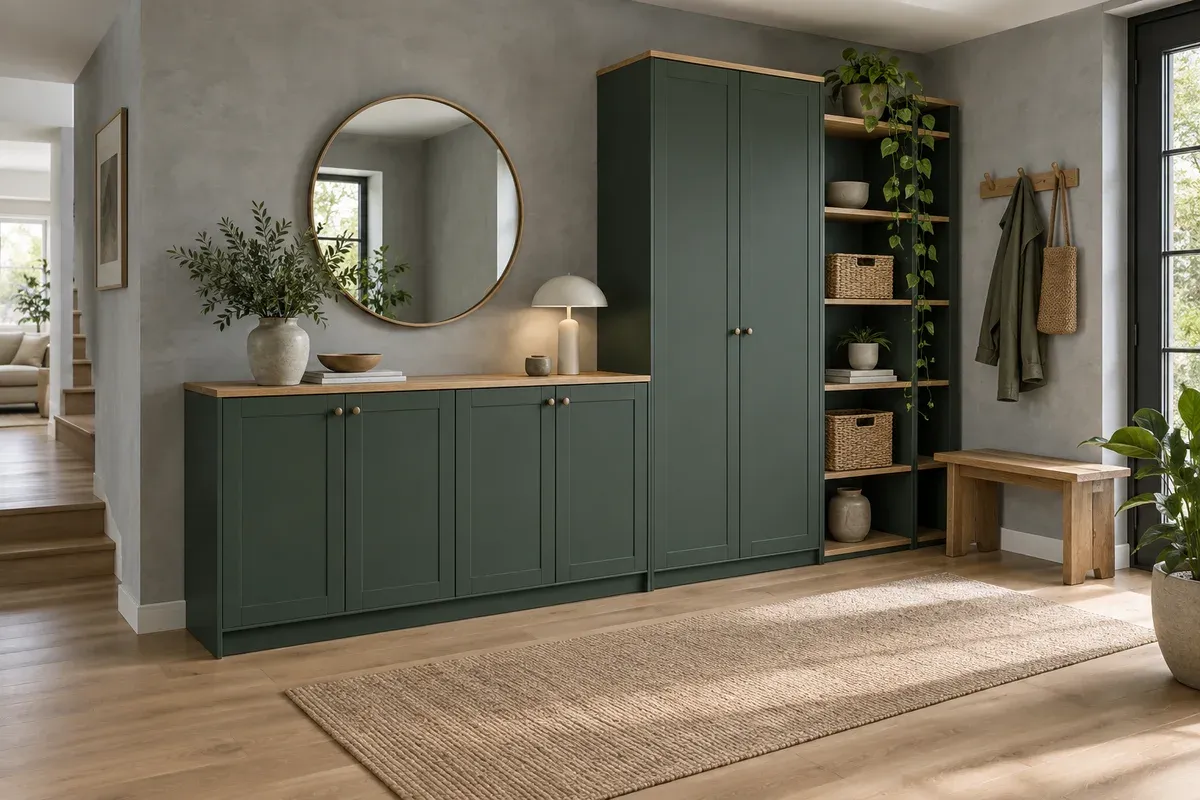
Storage should follow objects and habits, not merely fill a blank wall. Good storage keeps things near the point where they are used, gives each category a predictable home, and prevents everyday belongings from taking over every visible surface. Keep daily items close and accessible; put occasional items behind closed fronts.
The aim is not to hide every object. A home needs useful things within reach, and a few personal objects can make a room feel lived in. The useful distinction is between items that support a daily routine and items that create visual friction. When storage reflects that distinction, a room becomes easier to use as well as easier to look at.
Start with Objects and Habits
Before choosing a cabinet, shelf, or basket, look at what actually accumulates in each room. In a living area this may be remotes, chargers, books, children’s items, throws, and tableware. Near the entry it may be keys, bags, shoes, and parcels. A workspace often gathers cables, papers, stationery, and devices. These categories need different kinds of access, so they should not all be treated as the same storage problem.
Ask three simple questions: how often is the item used, does it need to be seen, and where is it normally picked up or put down? Frequently used items deserve easy reach. Objects used only occasionally can sit higher, deeper, or behind a closed front. Things that create visual clutter but still need to remain nearby belong in closed storage close to their point of use.
This approach avoids buying a large storage unit and then filling it with unrelated things simply because there is room. It also prevents the opposite problem: creating a chain of small containers around the home because no single location has been assigned to a category.
Combine Open and Closed Storage
Open and closed storage serve different purposes. Open shelving makes books, a selected collection, or everyday objects immediately available. It can also add vertical rhythm to a wall. Its limitation is that it asks the contents to look orderly, so it is best reserved for a restrained edit rather than every object in the household.
Closed storage absorbs the visual noise of practical life. Kivo Tambour Sideboard can conceal living or dining items that need to remain near the room but do not need to be on display. A low sideboard can be especially useful where a taller unit would interrupt a window line or make a compact room feel more enclosed.
Milo Bookshelf gives books and chosen objects a dedicated place, but it works best when the shelf has some breathing room. Leave a few shelves partially open, group similar objects together, and avoid turning every level into a mixed collection of cables, paperbacks, and miscellaneous accessories. The goal is not a perfectly styled shelf; it is a shelf that is easy to maintain.
Put Storage at the Point of Use
The shortest route for putting something away is usually the route that will be used. Table linens belong near the dining area, media accessories near the television or seating, and work tools close to the desk. This principle reduces the temptation to leave items out because putting them away feels like a separate task.
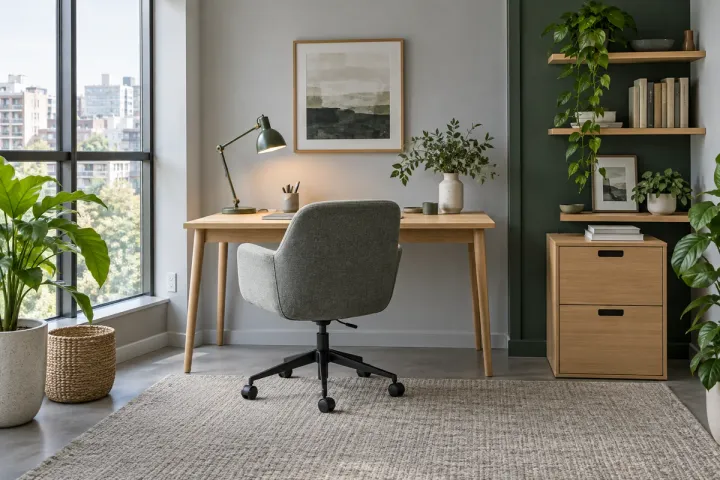
For a home workspace, Rumi Office Storage keeps work tools nearby without crowding a desk. If the work area shifts during the day, an Eno Mobile Pedestal Cabinet can provide a movable home for smaller essentials instead of letting them migrate across the dining table or floor. The right choice depends on whether the work zone is fixed or shared with another activity.
Apply the same idea in bedrooms and entry areas. A wardrobe such as Rhea Wardrobe belongs where clothes are dressed, changed, and returned, not merely where a tall piece happens to fit. In each case, location matters as much as capacity.
Choose the Right Scale for the Room
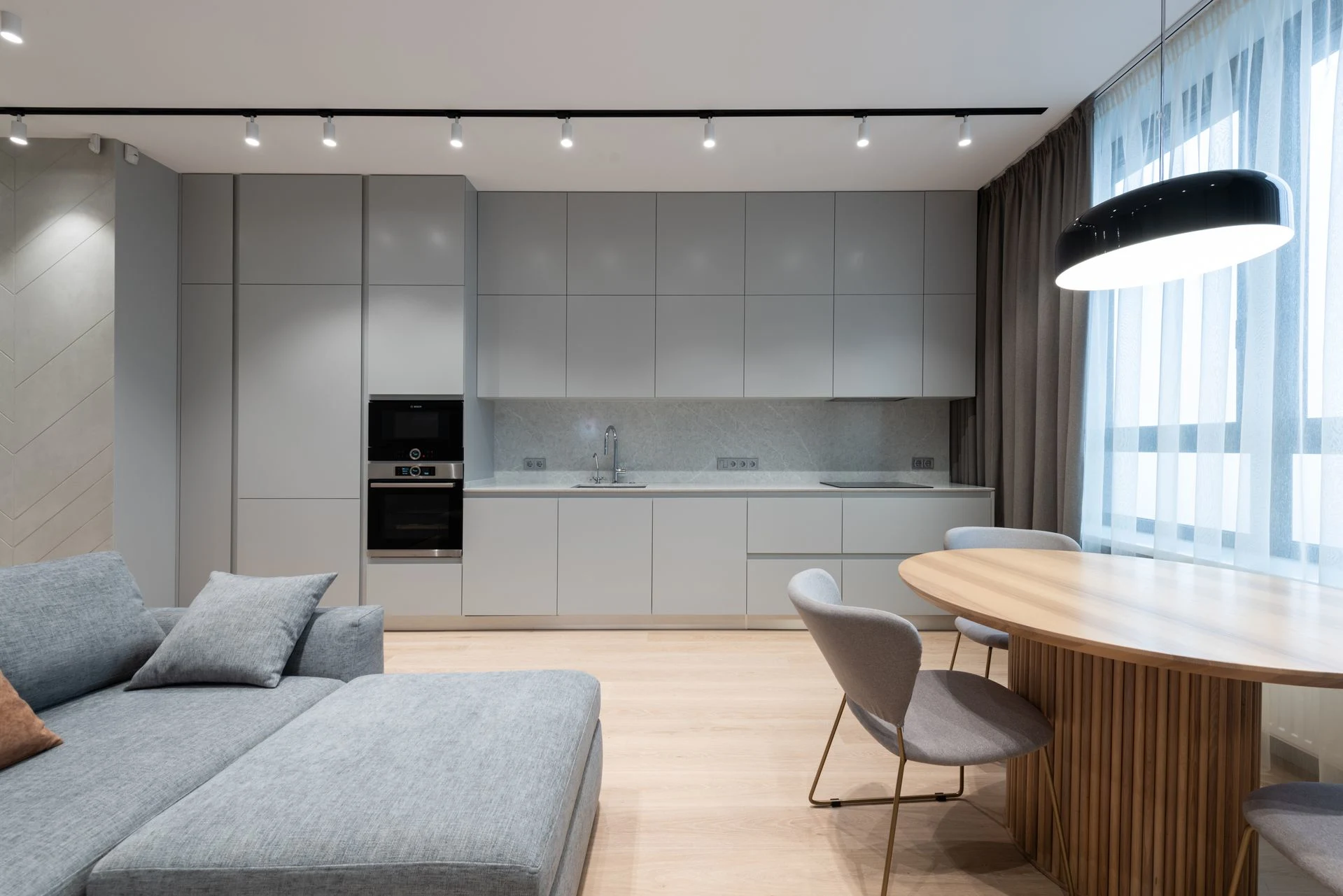
More storage is not always a better answer. A large cabinet can solve capacity while making the room feel visually heavy or restricting circulation. Before choosing size, measure the wall, the furniture around it, and the space needed to open doors or drawers. Then consider the storage’s depth, not only its width. Deep cabinetry can be useful, but in a narrow room it may steal the walking route that keeps the room comfortable.
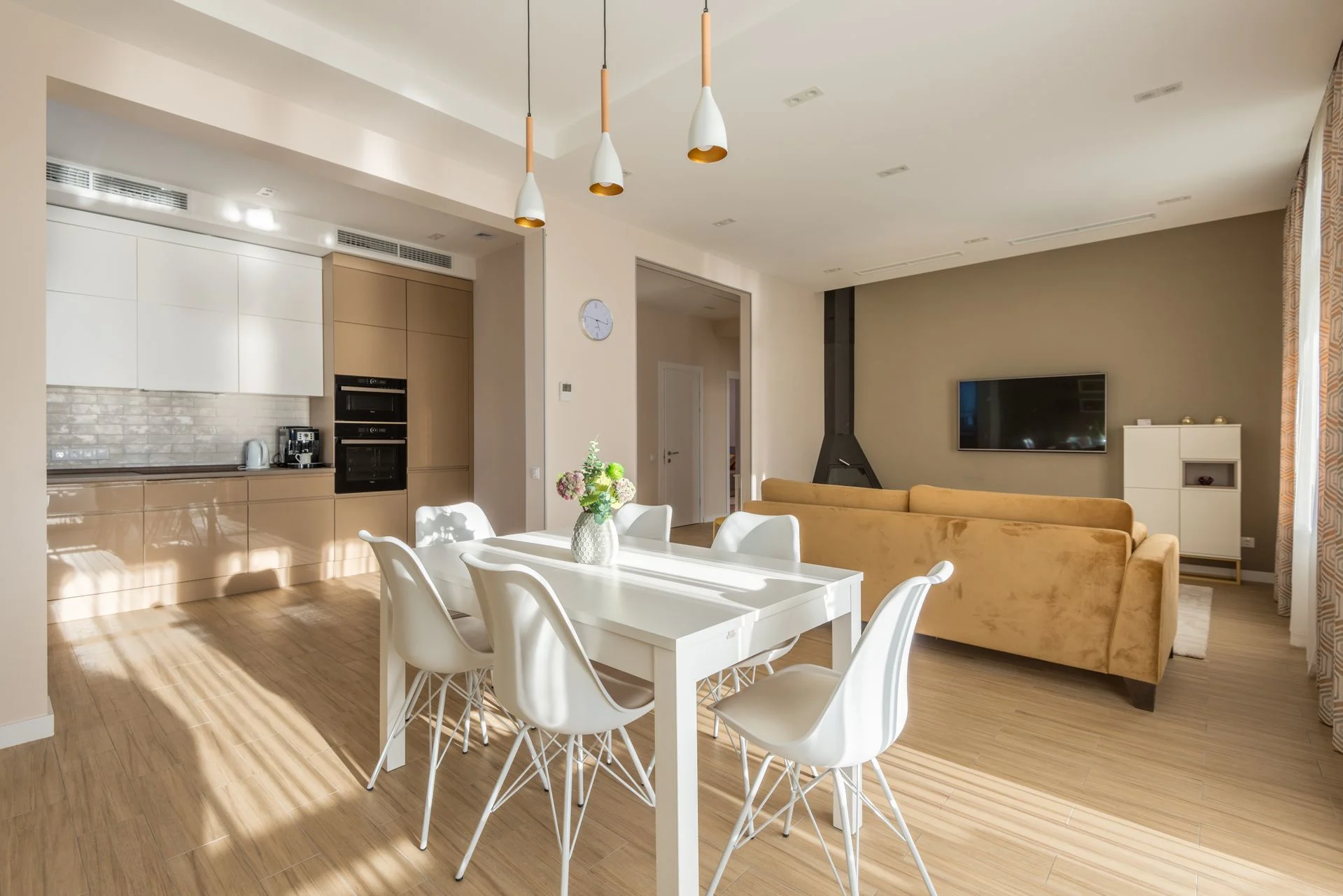
Low storage often helps compact rooms feel more open because it preserves more wall area and lets daylight travel across the space. It can also act as a surface for a lamp, a small object, or a changing display without becoming a second focal point. In a dining area, an Oka Low Sideboard can be considered for items used around meals while keeping the visual height of the room relatively calm.
For smaller homes, the small-space tips offer a useful companion approach: start with clear circulation, then choose storage that supports the layout rather than filling every spare wall.
Reduce Visible Clutter Before Adding More Furniture
Storage is most effective when it reduces the number of decisions visible in a room. A clear tabletop, a contained work area, and a defined place for chargers can make a room feel calmer even if the overall amount of furniture has not changed. Start by noticing the surfaces that collect items most often. They usually reveal where the current storage system is too far away, too difficult to use, or simply missing.
Avoid using open baskets and trays as a solution for everything. They can be useful for containing a specific category, but too many become another layer of visible clutter. Use them sparingly for objects that need quick access, and rely on closed storage for categories that are varied, irregular, or visually busy.
It is also worth planning for cleaning access. A cabinet that fills an awkward corner may technically add capacity but become difficult to clean around. A small gap, an accessible base, and a layout that lets doors open comfortably will make the storage easier to live with over time.
Edit Open Storage Like a Display
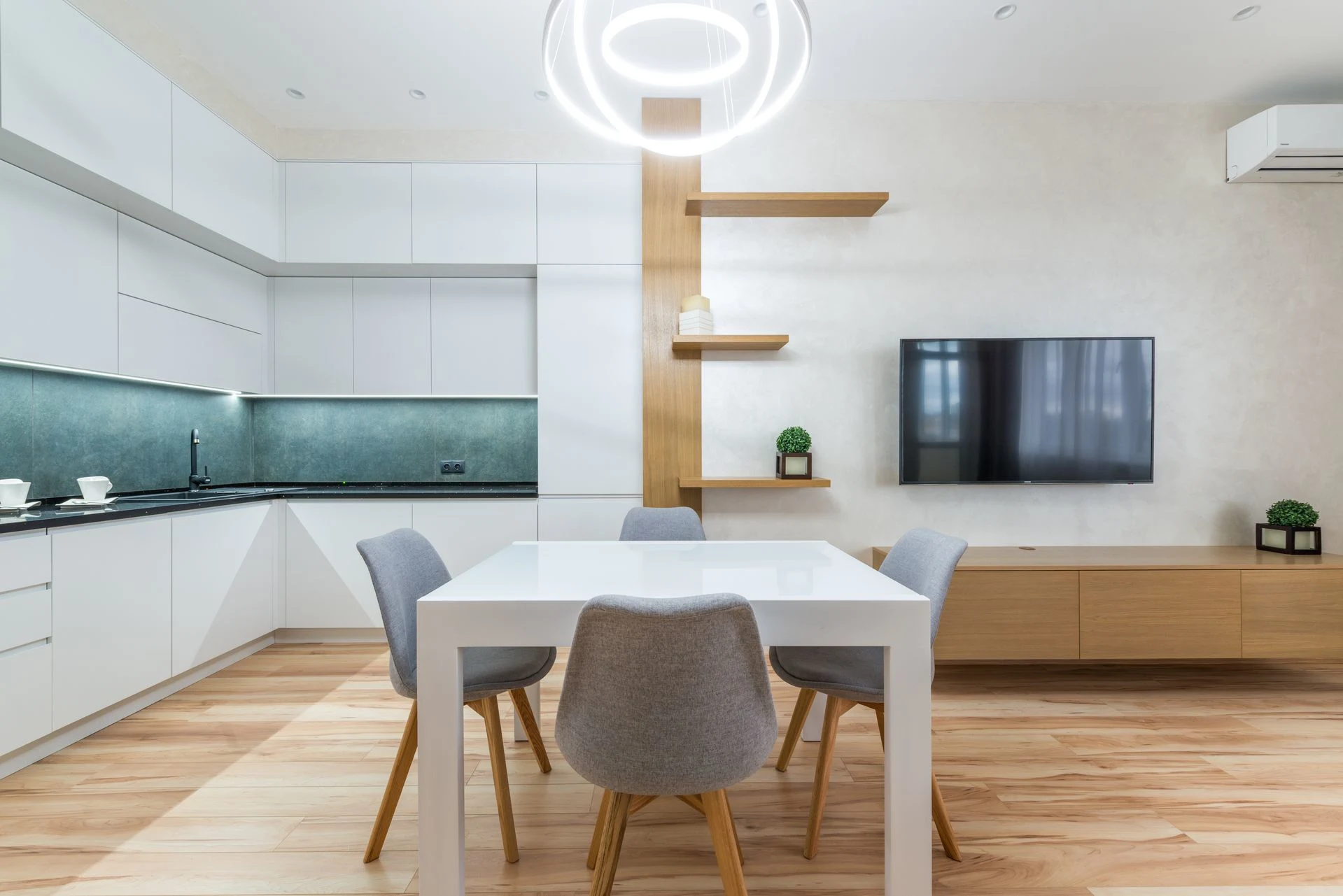
Open storage benefits from a simple editing rule: keep what is useful or worth seeing, and move the rest behind a door. This does not mean removing personality. Books, ceramics, framed photographs, or a small group of objects can bring warmth to a room. The difference is that they should read as a group rather than an overflow area.
Vary height and texture, but avoid creating a visual focal point on every shelf. Repeat a limited palette of materials or colours so the arrangement feels connected to the rest of the room. If the shelf begins to hold paperwork, cables, or duplicate items, it is a signal that those objects need a closed destination instead.
Common Storage Mistakes
- Buying storage before sorting what needs to be stored. Capacity alone does not create order.
- Placing storage far from where objects are used. Items then remain on tables and floors because returning them takes too much effort.
- Choosing deep or tall cabinetry without checking circulation, door swings, and sightlines.
- Using only open shelving for a household with many practical items. Visual clutter builds quickly when every category is on display.
- Filling every blank wall. A room also needs empty space, daylight, and places for the eye to rest.
- Treating temporary containers as a permanent system. Baskets and trays are useful, but they should support a larger storage plan rather than replace one.
Build a System That Is Easy to Keep
A tidy home does not depend on constant discipline. It depends on a storage system that makes the easy action the right one: items are close to where they are used, the destination is obvious, and the furniture is scaled to the room. Start with the categories that create the most daily clutter, then give each one a realistic home.
If storage also needs to support focused work, continue with the home-workspace guide. The best result is not a house that looks empty, but one where the things that support daily life are present without taking over the room.